


Spotlight

Case Study Microsoft

How Microsoft scaled global content delivery

Find out how Microsoft used Gcore to strengthen delivery across regions.

case study ProSieben GNTM app TOPSHOT

How ProSieben scaled GNTM's app TOPSHOT

Explore how ProSieben brought real-time AI portraits to GNTM's audience.

case study Higgsfield

How Higgsfield scaled AI video generation

See how Gcore helped Higgsfield scale with GPUs and Managed Kubernetes.

case study Fawkes Games

How Fawkes Games stopped DDoS attacks

See how Gcore protected gaming servers from massive DDoS threats without disrupting gameplay.

We're hiring

Help build the next chapter of the web

We're not just filling seats. We're building a team that will write the next chapter of the internet.

  1. Home
  2. Developers
  3. Making Outbound Requests from the Edge

Making Outbound Requests from the Edge

  • By Gcore
  • August 26, 2026
  • 2 min read
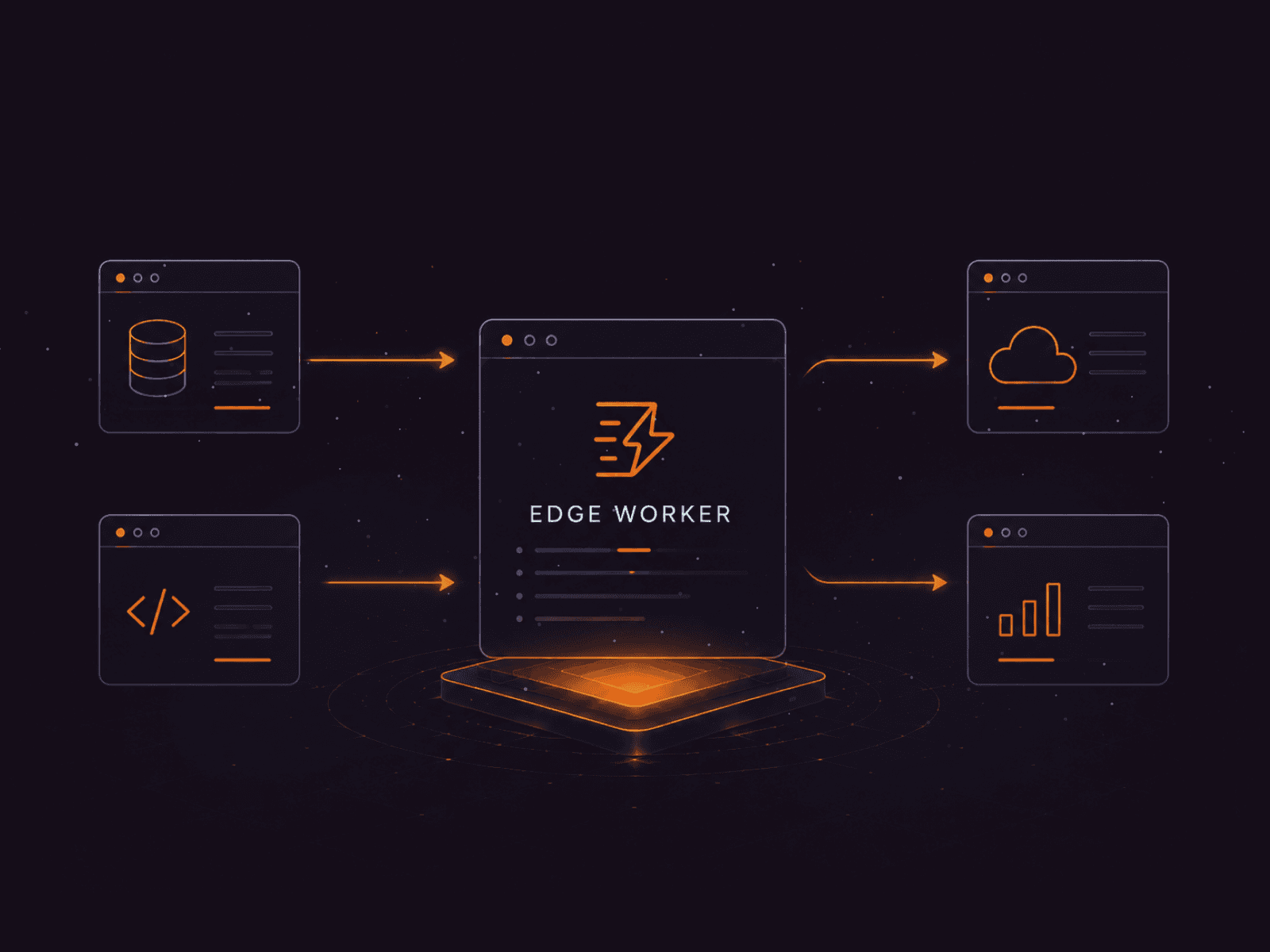
Conceptual diagram illustrating an Edge Worker connecting databases, code, cloud, and analytics.

FastEdge workers aren't limited to just responding to incoming requests — they can also make outbound network requests to external services. This opens up a world of possibilities: aggregating data from multiple APIs, proxying requests to upstream services, fetching remote content for caching, and more.

This post covers Making Outbound Requests from the Edge — a fundamental pattern for any edge application that needs to communicate with external services.

How It Works

Fetch data from external APIs from your FastEdge worker. Patterns for aggregation, caching, and error handling.

The FastEdge Rust SDK provides two approaches for making outbound requests:

  1. Synchronous (fastedge::http_client) — simple, blocking API that works within the standard Request/Response handler model. Best for straightforward fetch-and-return scenarios.
  2. Asynchronous (proxy-wasm dispatch) — uses the proxy-wasm ABI to pause request processing, make an HTTP call, and resume. Best for intercepting and augmenting client requests with external data.

Approach 1: Synchronous HTTP Client

The simplest approach — build a Request, send it, and get a Response back:


Approach 2: Async Proxy-Wasm Dispatch

For more advanced scenarios where you need to intercept a client request and augment it with external data:


Common Use Cases

  • API aggregation — fetch data from multiple upstream APIs and combine it into a single response.
  • Authentication — validate tokens against an external authentication service before allowing access.
  • Content caching — fetch remote content on the first request and cache it at the edge for subsequent requests.
  • Proxying — act as a reverse proxy with additional processing, such as header injection or body transformation.
  • Webhook forwarding — receive webhooks at the edge and forward them to multiple downstream services.

Error Handling and Timeouts

Outbound HTTP calls are subject to network conditions. Always handle failures gracefully:


 Caveat: Outbound requests from edge workers are subject to provider-configured timeouts, typically 5–30 seconds depending on your plan. Plan for failures with retries, circuit breakers, and fallback responses. Never assume an outbound call will succeed.

Related articles

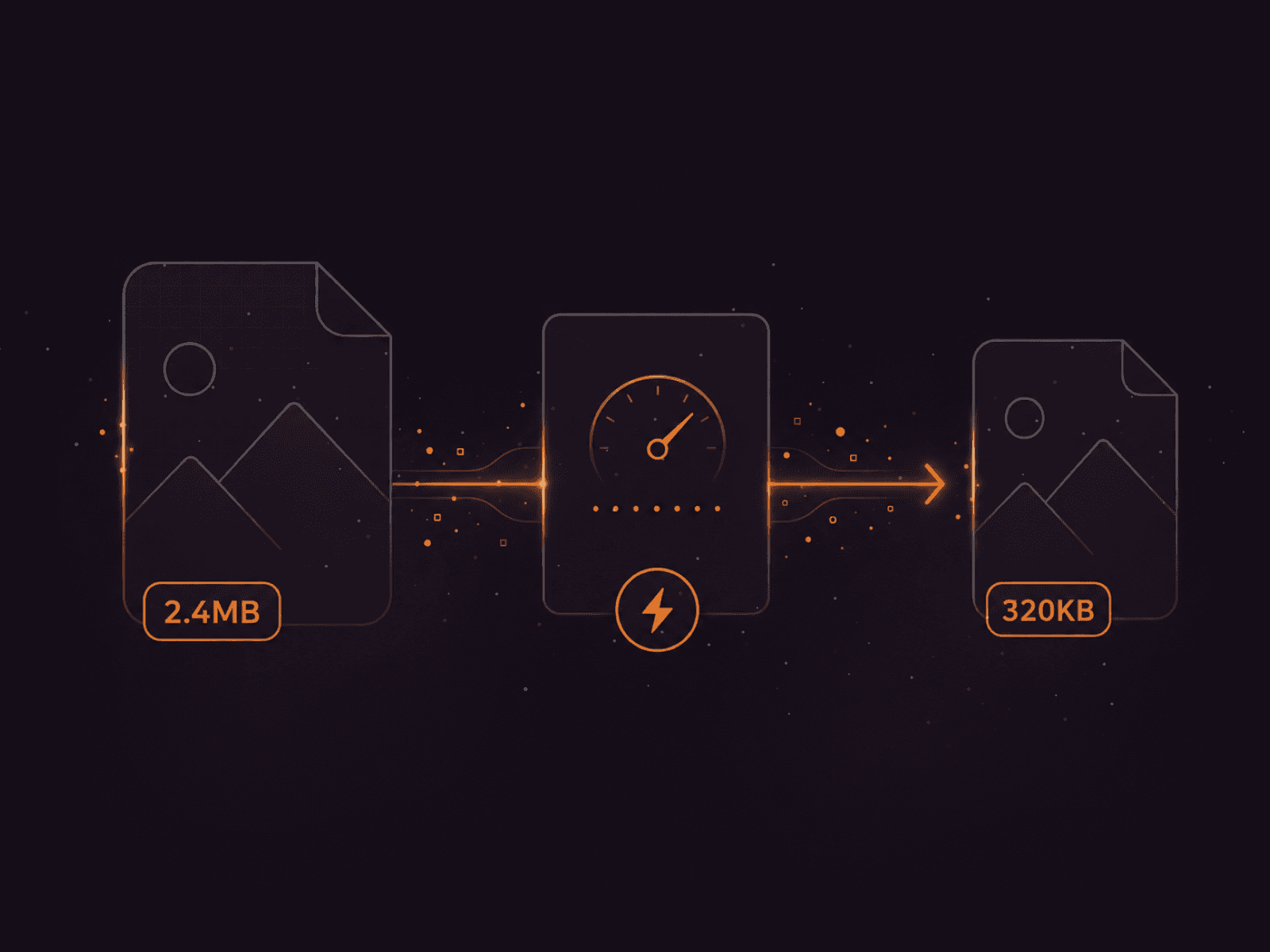
Visualizing image file size reduction from 2.4MB to 320KB through an optimization process.
On-the-fly Image Optimization at the Edge

Running compute at the edge means you can transform and optimize content before it reaches your users — with sub-millisecond cold starts and no additional infrastructure. Every FastEdge worker runs on WebAssembly, providing sandboxed, predi

Digital panel with lightning bolt icon, emitting orange data streams or energy.
Manipulating Headers at the Edge

Security at the edge means threats are stopped before they reach your infrastructure. By implementing security logic in FastEdge workers, you can validate, filter, and block requests at the closest edge location to the user — providing the

Central server distributes data through a network to multiple connected devices like laptops and phones.
Leverage Redis-Compatible Cache at the Edge

Running compute at the edge means you can transform and optimize content before it reaches your users — with sub-millisecond cold starts and no additional infrastructure. Every FastEdge worker runs on WebAssembly, providing sandboxed, predi

Glowing orange shield icon with a checkmark, symbolizing digital security and protection.
JWT Auth Gateway at the Edge

Security at the edge means threats are stopped before they reach your infrastructure. By implementing security logic in FastEdge workers, you can validate, filter, and block requests at the closest edge location to the user — providing the

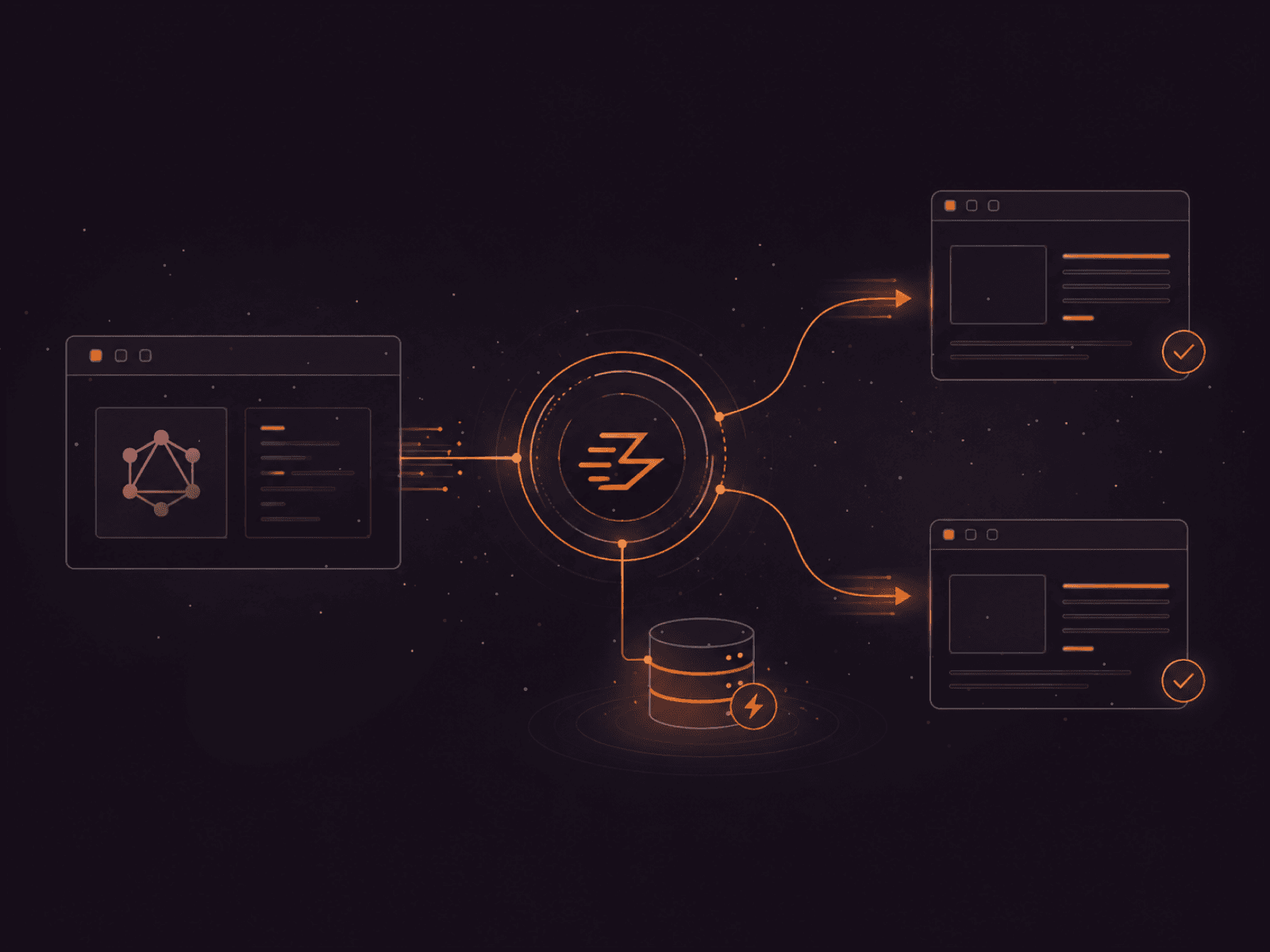
Diagram showing GraphQL input, a central processing hub, database interaction, and two successful outputs.
GraphQL Proxy and Caching at the Edge

Running compute at the edge means you can transform and optimize content before it reaches your users — with sub-millisecond cold starts and no additional infrastructure. Every FastEdge worker runs on WebAssembly, providing sandboxed, predi

Orange lines illustrate a global network connecting a central point to various distributed applications.
GeoIP Redirect — Route by Location

One of the most powerful features of edge computing is the ability to inspect and route traffic before it ever reaches your origin server. FastEdge gives you full programmatic control over request routing at every edge location worldwide.In

Subscribe to our newsletter

Get the latest industry trends, exclusive insights, and Gcore updates delivered straight to your inbox.